
Table of Contents
When nobody is home during a recurring cleaning session, several household decisions need to be settled before the cleaner arrives. These include how to enter the property, which jobs come first, which rooms should be left alone, where supplies are stored, and what can wait if time runs short.
That is the practical issue behind weekly cleaning for busy professionals in Singapore. The cleaner already knows how to clean. What they do not automatically know is how you want the available time used in your home.
This article is about giving a regular cleaning session enough direction to run properly while you are away.
Key Takeaways
- Clear access instructions, including keys, smart-lock codes, or condo entry procedures, help the cleaner begin the session without losing valuable time.
- A four-hour booking works better when homeowners rank the most important tasks instead of expecting every cleaning job to be completed in one visit.
- Keeping permanent household instructions in one saved note and sending only the week’s changes makes the handover easier to read and follow.
- Clear boundaries for private rooms, valuables, pets, fragile items, and special surfaces help the cleaner understand exactly what should and should not be handled.
- Written handovers also make replacement cleaner visits smoother because important household preferences are documented instead of relying on the regular cleaner’s memory.
Weekly Cleaning Handover for Busy Professionals in Singapore
A useful handover covers decisions only the homeowner can make:
- Home access
- Cleaning priorities
- Restricted rooms
- Supply locations
- Special instructions
- Changes since the previous session
The cleaner does not need detailed instructions on basic cleaning. They need to know whether the kitchen comes before ironing, whether a study should be skipped, or whether one bathroom needs extra attention.
Keep the handover short. A cleaner should not need to search through a long WhatsApp conversation to work out what comes first.
If you are arranging part time home cleaning services in Singapore, keeping permanent household instructions separate from weekly changes can make the briefing easier to follow.
From day-to-day cleaning operations, recurring sessions tend to run more smoothly once access arrangements and household preferences remain consistent from week to week.
HDB and Condo Access for Weekly Cleaning Sessions
Entry arrangements differ between HDB flats and private condominiums.
For HDB homes, common arrangements include:
- Physical keys
- Smart locks
- A household member providing access
- Another agreed entry method
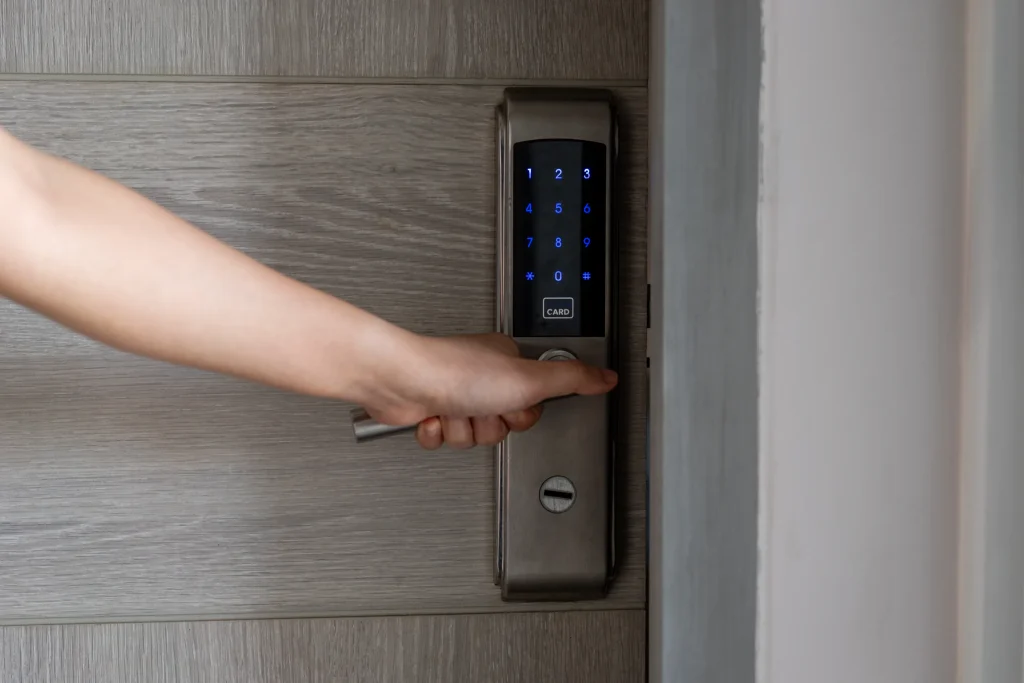
Condominiums can involve visitor registration, guardhouse procedures, resident approval, access cards, lift restrictions and instructions for reaching the correct block.
The cleaner arriving at the property does not always mean the session can start immediately. Time may be lost if visitor approval has not been completed, the resident cannot be reached, or the entry instructions are incomplete.
The Singapore Police Force advises residents not to leave spare keys in predictable locations outside a property, such as under a doormat or in a flower pot.
Access delays are particularly disruptive during fixed-duration bookings because time spent getting through the door reduces the time available for cleaning.
Cleaning Priorities for a 4-Hour Weekly Session
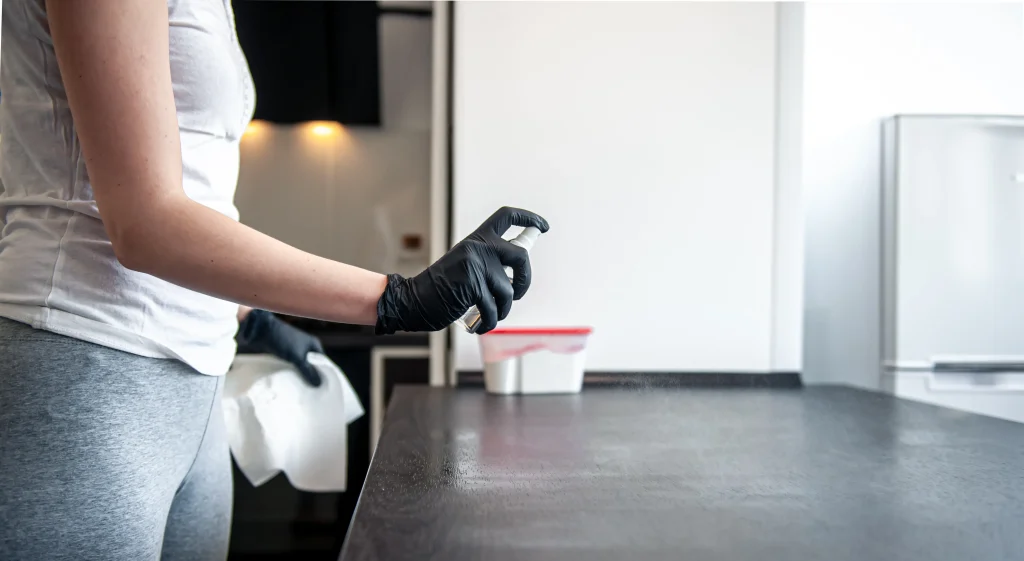
A four-hour booking is a limited amount of labour, not an unlimited task list. For weekly cleaning for professionals in Singapore, the available time may need to be allocated differently from one week to the next.
Consider a four-room HDB flat. The priority can change each week:
- Heavy daily cooking may make the kitchen the main job.
- Visiting guests may leave the common bathroom needing more attention.
- A larger ironing load may reduce time available for dusting or balcony cleaning.
It is more useful to decide what cannot wait until next week than to assign rigid timings to every task.
A practical order might be:
- Kitchen and bathrooms
- Floors
- Ironing
- Lower-priority dusting or balcony work
In recurring sessions, ironing, heavier bathroom buildup and more demanding kitchen cleaning are often the jobs that change how much work fits into a fixed booking.
Weekly Cleaning Tasks That Take Longer Than Expected
Light weekly maintenance can be very different from cleaning that has built up.
Wiping a regularly maintained hob is not the same task as removing hardened grease. A bathroom cleaned weekly may also need less work than one with heavier soap buildup or water marks.
Other factors can increase cleaning time:
| Task | What can make it take longer | What may be postponed |
| Kitchen | Hardened grease, crowded worktops | Balcony or light dusting |
| Bathroom | Soap buildup, water marks | Ironing or secondary rooms |
| Floors | Pet hair, clutter, larger area | Detail cleaning |
| Ironing | Larger clothing or linen load | Lower-priority tasks |
The National Environment Agency’s residential cleaning guidance advises following product instructions when using household cleaning and disinfecting products.
A heavier-than-usual task is best flagged before the cleaner starts so it can be placed properly in the day’s priority order.
What to Include in a Weekly Cleaner Handover Note

Separate information that stays the same from information that changes.
Permanent information:
- Entry method
- Supply location
- Restricted rooms
- Pet arrangements
- Special surface instructions
Weekly information:
- Linen that needs changing
- A guest room that has been used
- Extra ironing
- A bathroom needing more attention
- A room that can be skipped
A short WhatsApp note could say:
Hi, entry is the usual smart-lock code. Please do the kitchen and common bathroom first today. There is extra ironing on the dining chair. Skip the study. Clean linen is in the hall cupboard. Please lock the door when leaving. Thanks.
It works because the cleaner gets a clear order without being told how to perform ordinary cleaning tasks.
Private Rooms, Valuables and Cleaning Boundaries
A cleaner should not have to guess which parts of a home are private.
Before leaving, decide:
- Which rooms should not be entered
- Whether confidential documents need to be stored away
- Where cash, jewellery, medication and passports will be kept
- Which fragile objects should not be moved
- Whether a room containing a pet should remain closed
The Singapore Police Force also advises property owners to avoid keeping large sums of cash and valuables in unattended premises.
Clear boundaries remove ambiguity and tell the cleaner exactly what can be entered, moved or left alone.
Time Lost During Weekly Cleaning Sessions
Some booked time can disappear into household logistics rather than cleaning. For busy professionals in Singapore, these small delays can be especially noticeable when nobody is home to resolve them immediately.
Common causes include:
- Guardhouse delays
- Searching for supplies
- Moving clutter
- Looking for clean linen
- Finding rubbish bags
- Waiting for replies
- Receiving new instructions halfway through the session
For example, a four-hour condo booking could lose ten minutes at the guardhouse, another ten minutes locating supplies, then several more minutes while the cleaner waits to find out which room has priority.
Key, Smart Lock and Access Code Safety
Each access method has trade-offs.
- Physical key: Simple, but needs a clear return arrangement.
- Permanent PIN: Convenient, but may remain active longer than necessary.
- Temporary code: Useful when the lock supports limited access.
- Access card: Practical in some condos, but should be returned or cancelled when no longer required.
- Resident-approved entry: Avoids sharing a key or PIN, but depends on someone being reachable.
Singapore Police Force guidance also recommends securing entry points and avoiding predictable hiding places for spare keys.
When a cleaner stops servicing the home, physical access should be returned or cancelled and shared codes changed where appropriate.
Regular Cleaner and Replacement Cleaner Handovers
A regular cleaner may already know where supplies are kept, which rooms are normally skipped, how bathrooms are prioritised, or which job is usually left until last.
A replacement cleaner starts without that familiarity.
Keep permanent information written down rather than leaving it in someone’s memory or an old conversation. Weekly changes can then be sent separately.
Replacement sessions generally need clearer written instructions because familiarity with the home has not yet been built.
Weekly Cleaning Instructions That Cause Confusion
Some instructions create more questions than answers.
- Treating every task as urgent
Instead, give an order:
Kitchen and bathrooms first. Balcony only if there is time.
- Adding several requests after work has started
Send the main changes before the booking so the cleaner can plan the task order from the beginning.
- Using vague wording
Instead of ‘clean everything properly’, say:
Please spend extra time on the kitchen hob. The guest room can be skipped.
- Sending several separate messages
Combine the week’s changes into one short message so the latest priority is clear.
A Simpler Weekly Cleaning Handover Routine
Most households only need two layers of information.
One saved note for:
- Access
- Supply location
- Restricted spaces
- Pets
- Special surfaces
One weekly message for:
- Extra attention
- Tasks to skip
- Top priorities
- Unusual changes
This is easier than rewriting the whole briefing each week. It also gives a replacement cleaner a clear starting point.
Weekly Cleaning Handover Template for Busy Professionals
A practical handover can fit on one phone screen in a weekly cleaning for busy professionals.
Entry: [key / code / resident approval]
Priorities: 1. ___ 2. ___ 3. ___
Skip: ___
Special instruction: ___
Supplies: ___
Before leaving: ___
Entry details, supply locations and standing restrictions can stay saved. Priorities, skipped tasks and special instructions can be edited each week.
A Cleaning Handover System that Works
A cleaner should spend the booked session cleaning rather than working out how to enter, where supplies are stored, which room comes first or which message contains the latest instruction.
For weekly cleaning for busy professionals in Singapore, having access details, priorities, household boundaries and weekly changes ready before the session begins can make the arrangement easier to manage.
If you would like to discuss your arrangement with Comfy Homes, share your home type, preferred weekly cleaning duration and main cleaning priorities.
Frequently Asked Questions
Should I stay home during the first weekly cleaning session
Yes, being available for the first session can help if your property has unusual access, special surfaces, pets or several household preferences. It does not need to become a permanent requirement.
Is it safe to give a cleaner a house key?
A key can be workable when there is a clear handover and return arrangement. Smart-lock access or resident-approved entry may also be suitable alternatives.
Can I give a cleaner a temporary smart-lock code?
Yes, if your lock supports temporary or time-limited access. Check the lock’s functions and remove credentials that are no longer needed.
What can a cleaner normally finish in four hours?
It depends on home size, bathroom count, kitchen condition, clutter, ironing and the agreed cleaning scope. There is no universal task count.
What should I do if my regular cleaner is replaced
Keep permanent household instructions written down. A replacement cleaner can then follow the established routine without reconstructing it from old messages.